Walking Pad vs Treadmill: Which Is Better for You?
By the WalkingPadPicks Editorial Team
Last updated: March 8, 2026
Current product-safety notice: CPSC warned consumers on April 16, 2026 to stop using specified Sperax Pro, Q1, RM-01 and RM-02 walking pads and treadmills. We removed older recommendations and shopping links for that brand while exact models are re-audited. Check the official CPSC warning and follow its stop-use instructions. Trying to decide between a walking pad and a regular treadmill for your home? Walking pads are compact, quiet, and budget-friendly — ideal for under-desk walking while you work. Regular treadmills deliver higher speeds, incline training, and sturdier builds for serious cardio. This guide compares size, noise, cost, fitness outcomes, and durability so you can pick the right machine for your space and goals.
By Jamie Walker, Fitness Equipment Reviewer · Last updated March 2026
Affiliate disclosure: WalkingPadPicks.com earns a commission on qualifying purchases at no extra cost to you. This helps us test products and keep our guides free. Read our full affiliate disclosure.
Hero visual for this section
Table of Contents
 Comparison visual for Table of Contents
- What Is a Walking Pad?
- What Is a Regular Home Treadmill?
- Side-by-Side Comparison
- Detailed Breakdown: 7 Key Factors
- Best Walking Pads for Home Use (2026 Picks)
- Best Home Treadmills (2026 Picks)
- Who Should Buy a Walking Pad?
- Who Should Buy a Regular Treadmill?
- The Hybrid Option: 2-in-1 Models
- Sources and Methodology
- Frequently Asked Questions
What Is a Walking Pad?
Infographic visual for What Is a Walking Pad? {#what-is-a-walking-pad}
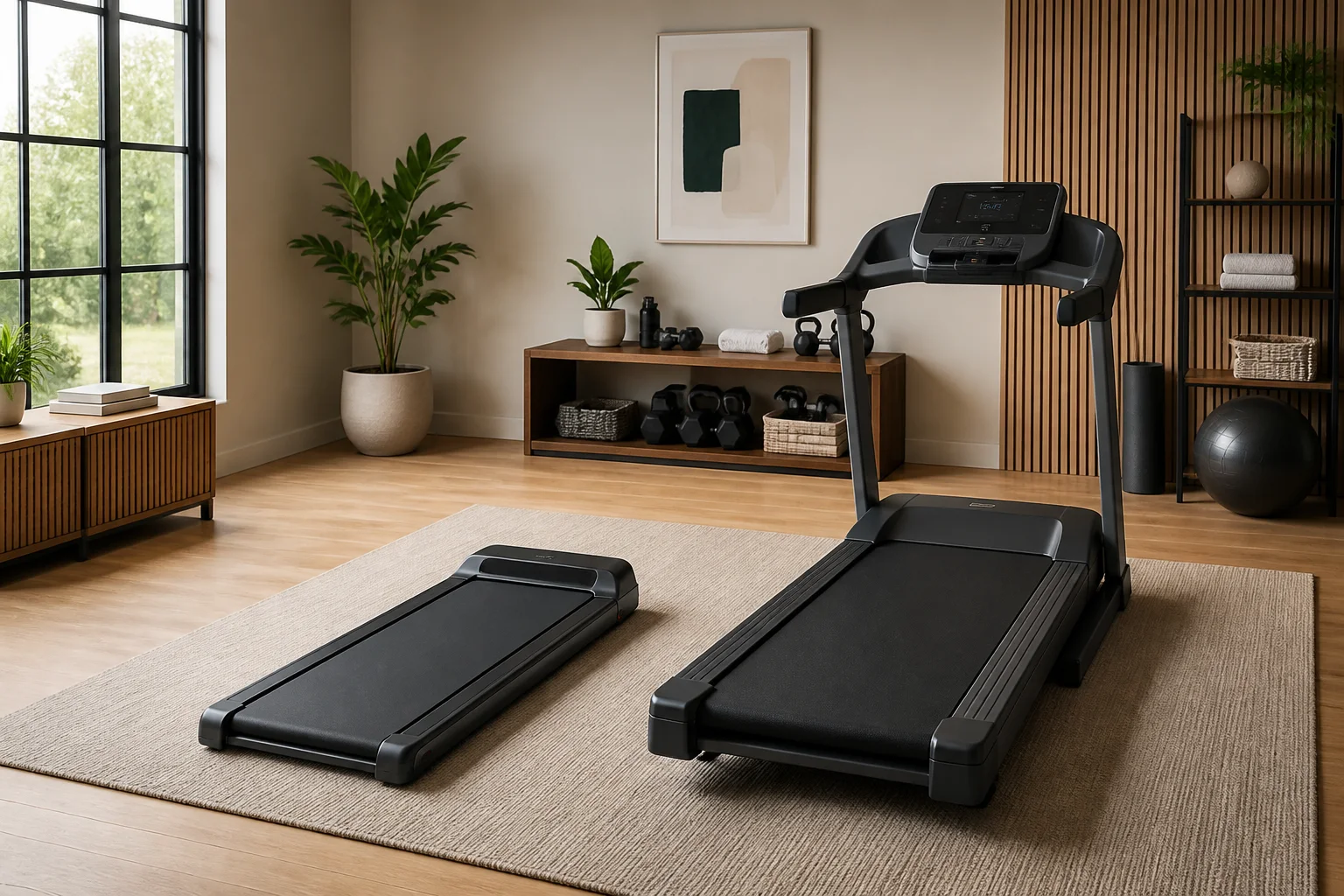
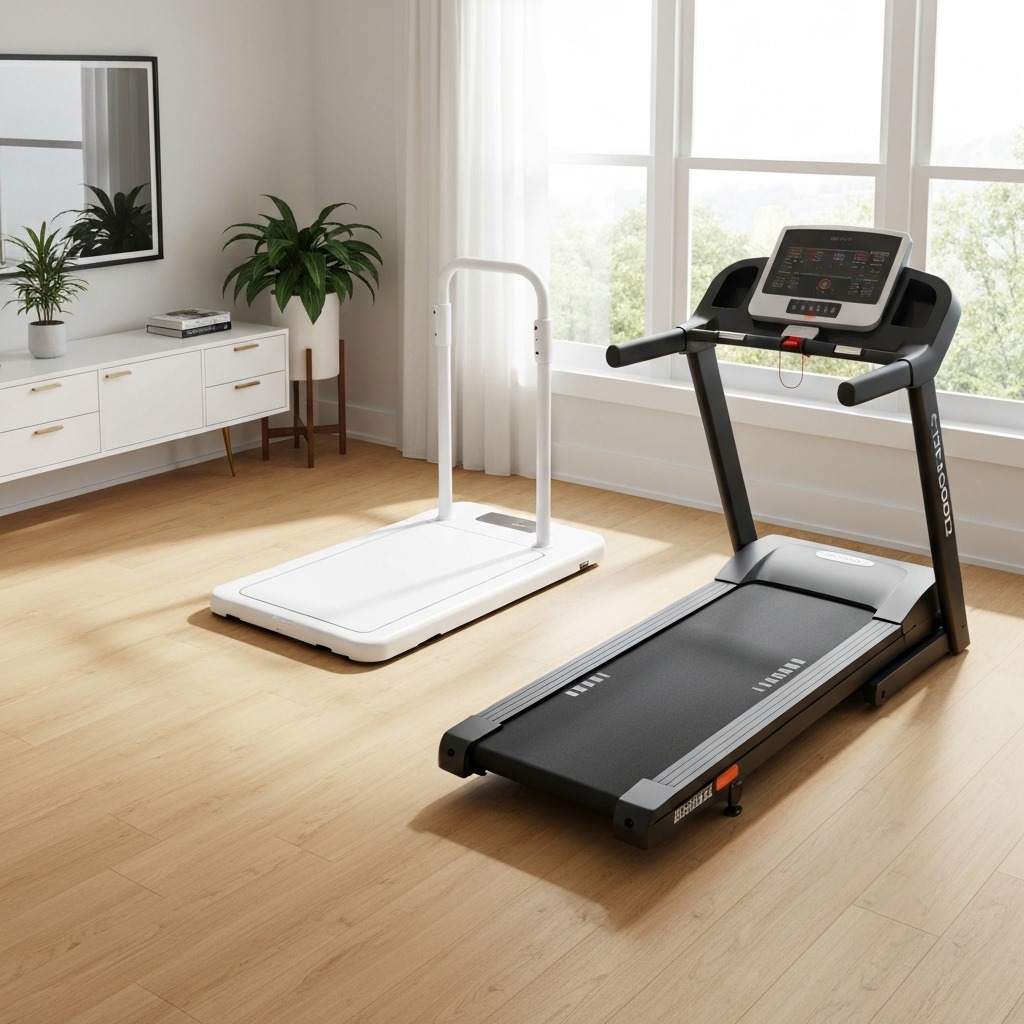
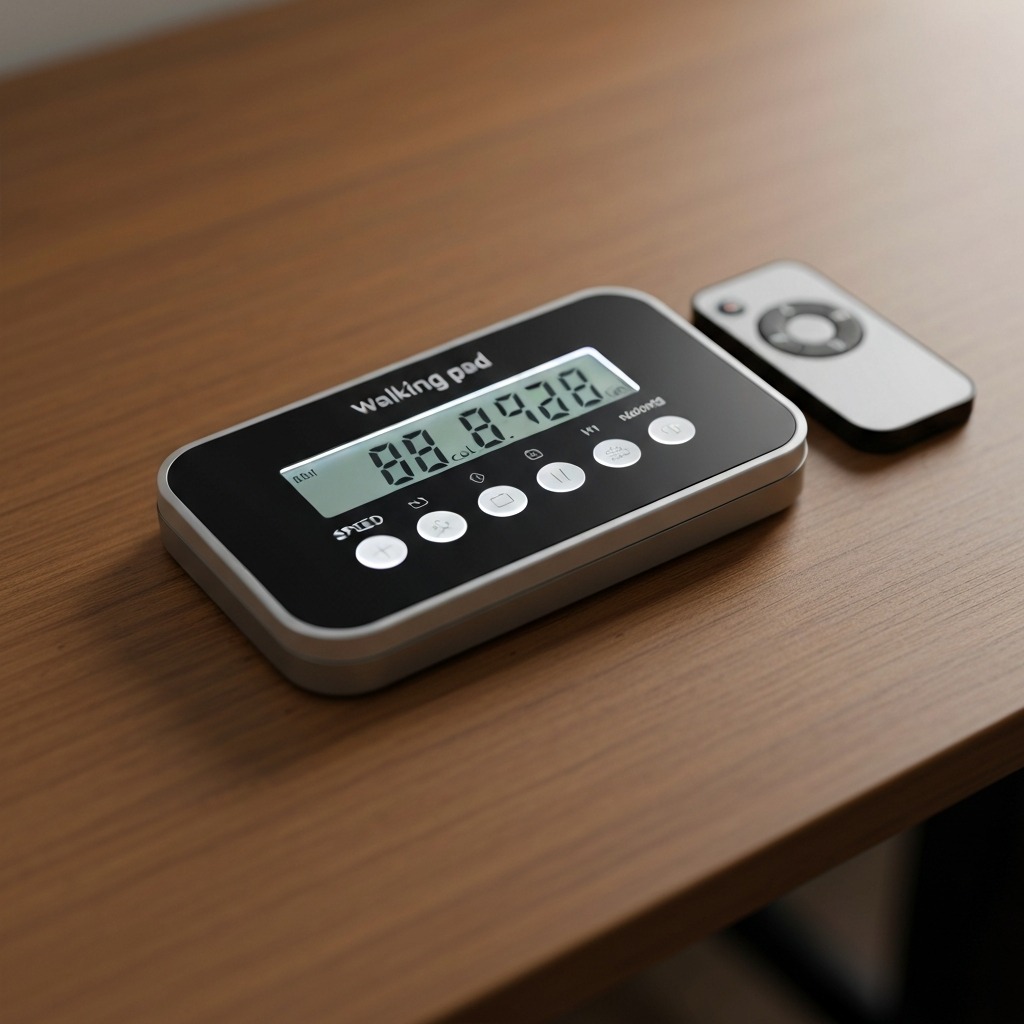
A walking pad is an ultra-thin, lightweight treadmill built exclusively for walking. Most models fold in half or lie flat enough to slide under a bed, couch, or closet shelf. They have no console, no handrails, and no incline — just a compact belt, a small motor, and a remote control.
Key Walking Pad Specs
- Speed range: 0.5–4 mph (some cap at 3.8 mph)
- Motor: 1.5–2.5 HP
- Weight: 30–55 lbs
- Walking surface: 16" × 40" to 17" × 44"
- Profile height: 4–6 inches
- Noise level: 40–50 dB (quieter than a dishwasher)
- Price range: $150–$500
Walking pads prioritize portability, silence, and simplicity. They're made for people who want to add low-intensity movement to their workday without dedicating permanent floor space to exercise equipment.
What Is a Regular Home Treadmill?
Setup visual for What Is a Regular Home Treadmill? {#what-is-a-regular-home-treadmill}
A regular home treadmill is a full-featured cardio machine with a console, handrails, incline motor, and speeds reaching 10–12 mph. These are the machines you see in gyms — scaled down slightly for residential use but still substantial pieces of equipment.
Key Home Treadmill Specs
- Speed range: 0.5–12 mph
- Motor: 2.5–4.0 HP continuous duty
- Weight: 150–300 lbs
- Walking surface: 20" × 55" to 22" × 60"
- Profile height: 50–60 inches (with console)
- Noise level: 60–75 dB
- Price range: $500–$3,000+
Regular treadmills are designed for dedicated fitness training. They support walking, jogging, running, interval training, and incline work. The trade-off is size, weight, noise, and cost.
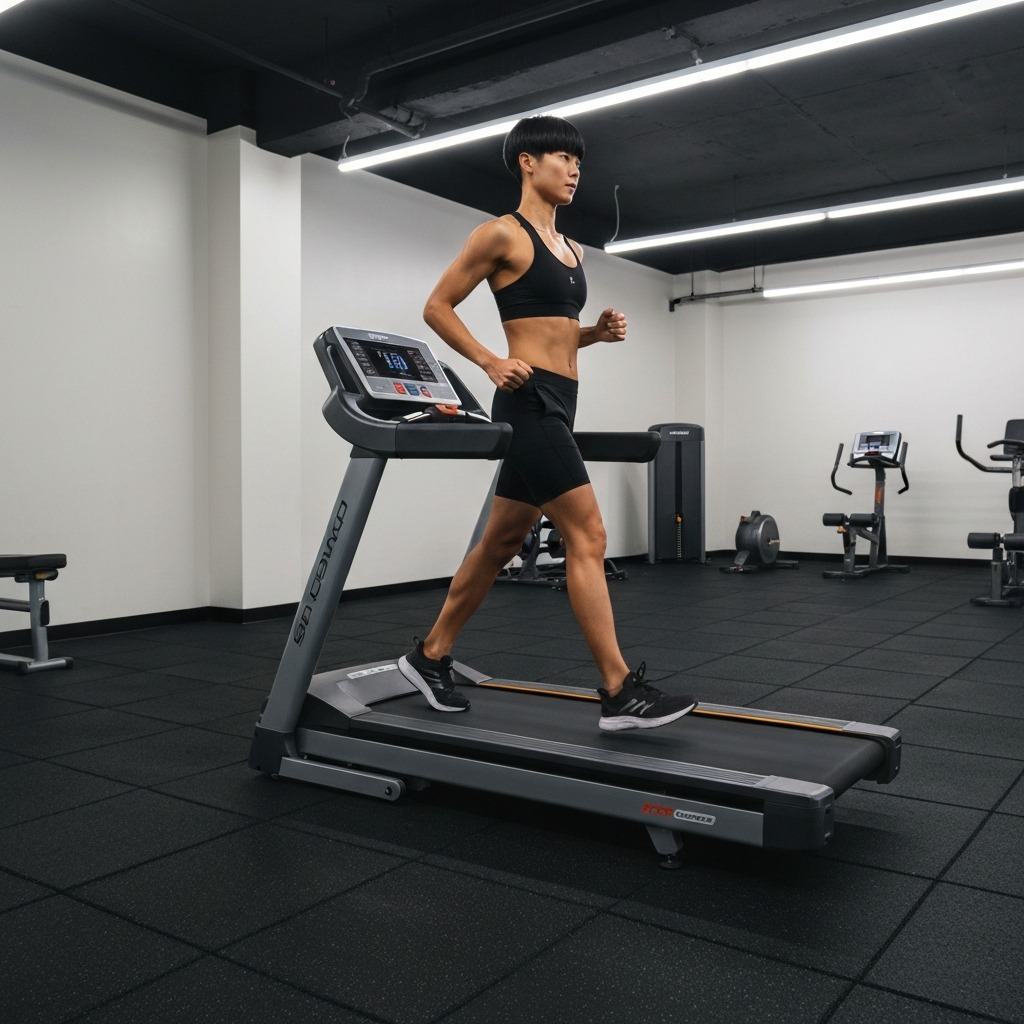
Side-by-Side Comparison
Detail visual for Side-by-Side Comparison {#side-by-side-comparison}
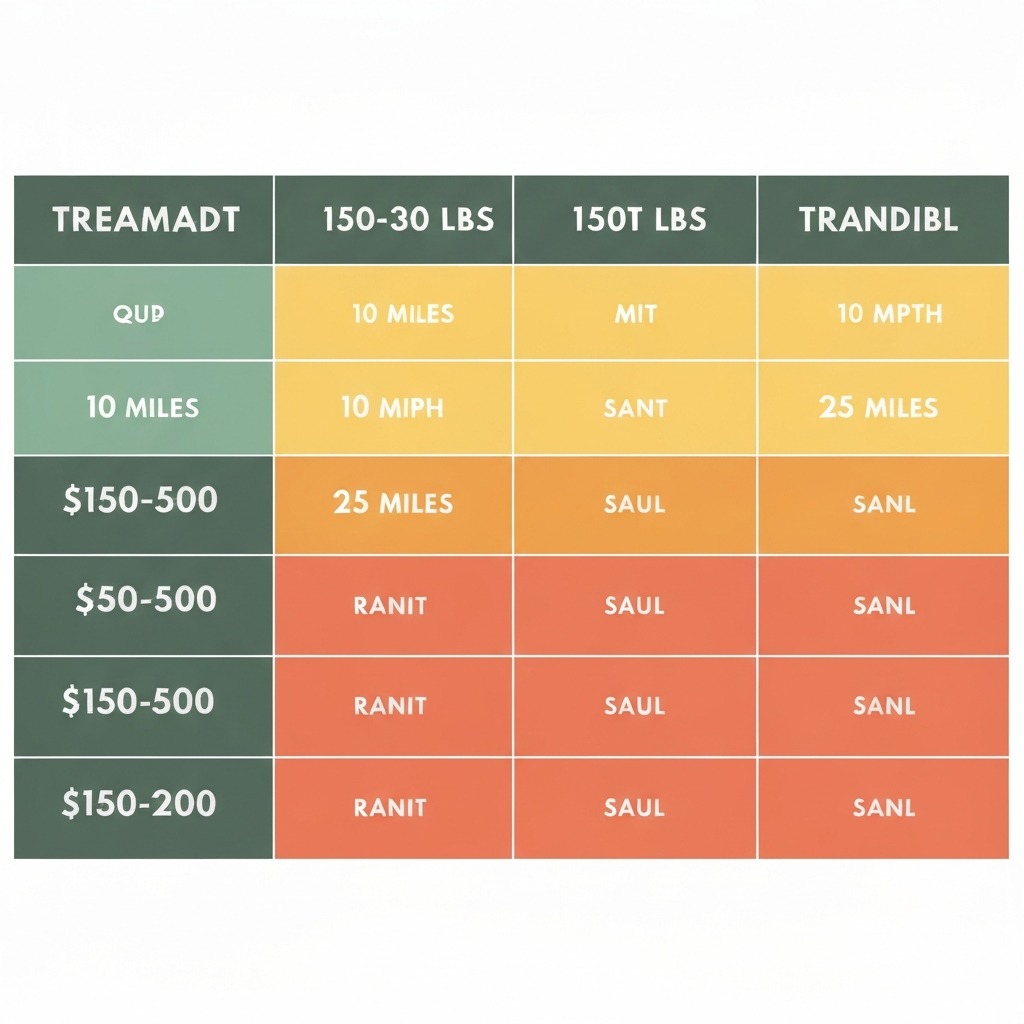
| Feature | Walking Pad | Regular Treadmill |
|---|---|---|
| Max Speed | 3.8–4 mph | 10–12 mph |
| Motor Power | 1.5–2.5 HP | 2.5–4.0 HP |
| Belt Width | 16"–17" | 20"–22" |
| Belt Length | 40"–44" | 55"–60" |
| Machine Weight | 30–55 lbs | 150–300 lbs |
| Foldable | Yes (most models) | Some models fold upright |
| Handrails | Rarely | Standard |
| Noise Level | 40–50 dB | 60–75 dB |
| Incline | No | 0–15% (motorized) |
| App Connectivity | Basic (some models) | Standard on mid-range+ |
| Price Range | $150–$500 | $500–$3,000+ |
| Best For | Desk walking | Full cardio training |
| Storage | Slides under furniture | Folds upright or permanent |
| Weight Capacity | 220–265 lbs | 275–400 lbs |
| Lifespan | 2–4 years | 7–12 years |
Detailed Breakdown: 7 Key Factors
Lifestyle visual for Detailed Breakdown: 7 Key Factors {#detailed-breakdown}
1. Size, Weight, and Portability
This is the most dramatic difference between these two categories.
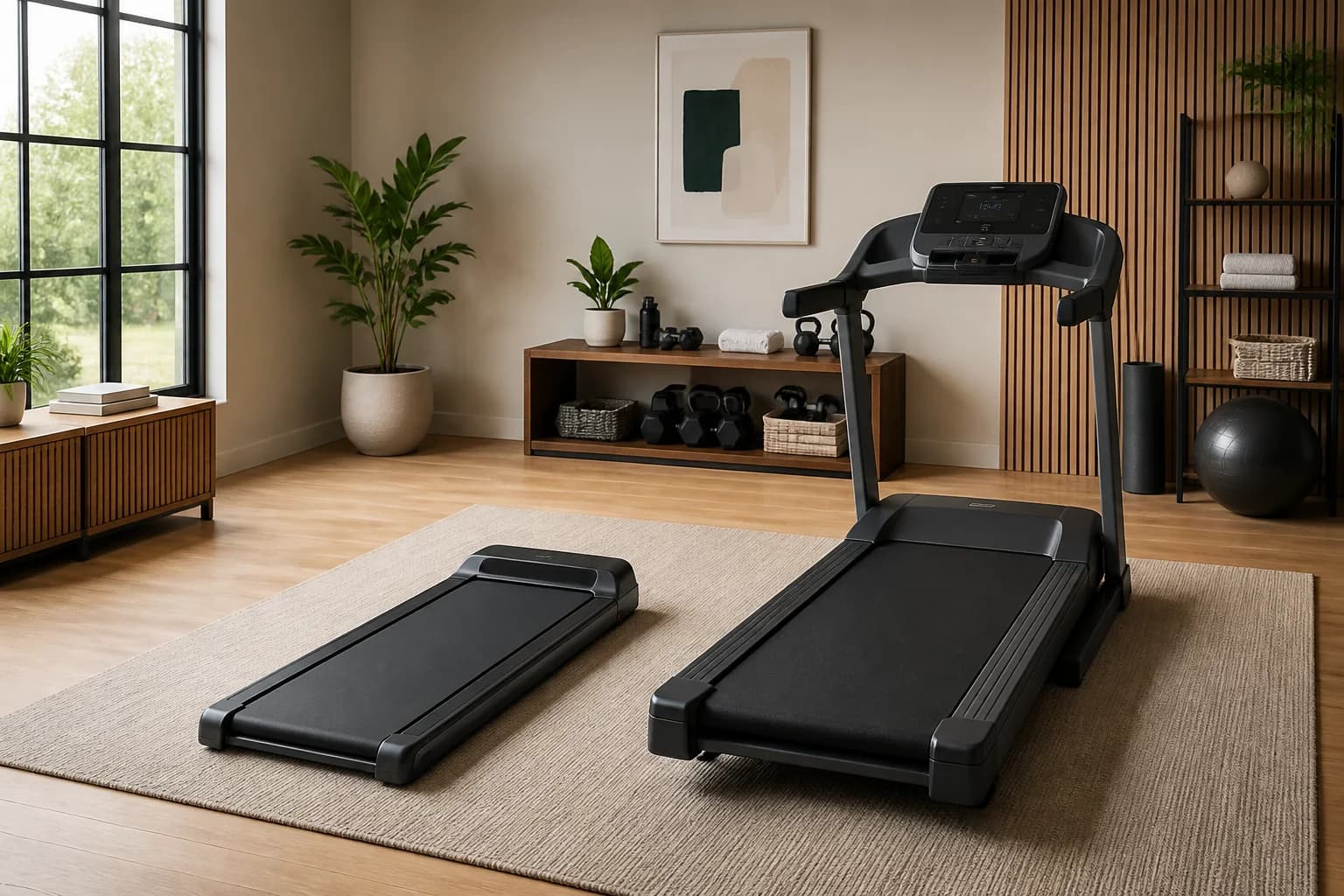
A walking pad weighs 30–55 lbs and folds flat to roughly 4–6 inches tall. You can carry it with one hand, slide it under a bed, or lean it against a closet wall. If you live in a studio apartment or need to move your walking surface between rooms, a walking pad is effortless.
A regular treadmill weighs 150–300 lbs. Even "compact" home treadmills take up a 6' × 3' footprint. Some fold upright to save floor space, but they still need wall clearance and a dedicated corner. Moving one between rooms requires two people and transport wheels.
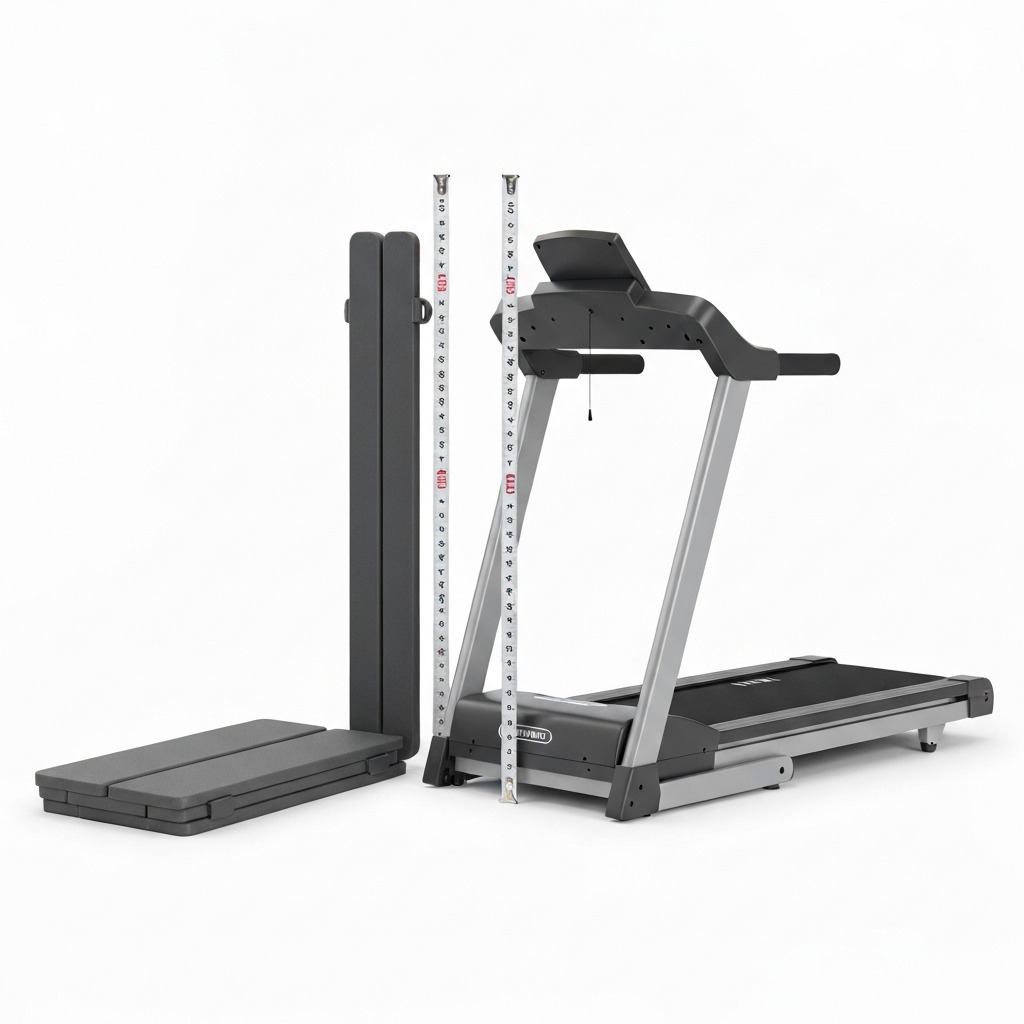
Winner: Walking pad — if portability and storage matter. For folding options specifically, see our best folding walking pad for storage guide.
2. Speed and Fitness Versatility
Walking pads max out around 4 mph — a brisk walking pace. Manufacturers explicitly warn against jogging because the short belt and lack of handrails make it unsafe at higher speeds.
Regular treadmills support 0.5–12 mph, covering everything from a gentle warm-up walk to a full sprint. Add motorized incline (up to 15% on most models) and you have the range for interval training, hill workouts, and 5K race prep.
If your goal is strictly desk walking at 1.5–3 mph while you work, that speed ceiling doesn't matter. But if you want one machine for both daytime walking and evening cardio sessions, only a treadmill delivers.
Winner: Regular treadmill — for fitness versatility and training variety.
3. Noise Level
Noise is a dealbreaker for apartment dwellers, remote workers on calls, and anyone with sleeping kids nearby.
Walking pads operate at 40–50 dB — roughly the volume of a quiet conversation or a refrigerator hum. Most users report taking video calls while walking without anyone on the other end noticing.
Regular treadmills generate 60–75 dB, comparable to a vacuum cleaner. Running amplifies this further. Downstairs neighbors will hear a regular treadmill; they won't hear a walking pad at 2 mph.
Winner: Walking pad — significantly quieter, especially for apartment use. For more noise reduction strategies, see our guide on how to reduce walking pad noise.
4. Walking Surface and Comfort
Belt dimensions directly affect comfort during longer sessions.
Walking pad belts measure 16"–17" wide × 40"–44" long. This works for most people walking at a normal pace, but taller users (over 6') or people with a wider gait may feel cramped during extended sessions.
Regular treadmill belts measure 20"–22" wide × 55"–60" long. The extra space allows natural stride variation, is safer at higher speeds, and accommodates runners of all heights comfortably.
Winner: Regular treadmill — especially for taller users or anyone who wants room to move.
5. Build Quality and Lifespan
Regular treadmills use heavier-gauge steel frames, more powerful motors, industrial-grade belts, and components rated for years of daily use. A quality home treadmill lasts 7–12 years with basic maintenance.
Walking pads trade durability for portability. Thinner frames, smaller motors, and folding mechanisms create more potential failure points. Quality walking pads last 2–4 years under regular use. Budget models under $200 may show wear within 12–18 months of daily use.
Winner: Regular treadmill — built to last significantly longer under heavier use.
6. Price and Value
Walking pads start around $150 for basic models and top out near $500 for premium options. The sweet spot for most buyers is $200–$350.
Regular home treadmills start around $500 for entry-level models and climb to $3,000+ for commercial-grade machines with touchscreens, subscription services, and advanced cushioning. The value sweet spot is $800–$1,500.
The value calculation depends entirely on use case. If you only walk at 2 mph while working, spending $1,200 on a treadmill means paying for features you'll never touch. Conversely, if you want real cardio training, a $200 walking pad won't meet your needs.
Winner: Walking pad — for budget-conscious desk walkers. Regular treadmill wins on cost-per-year if you use it for full workouts.
7. Desk Compatibility
Both can work with standing desks, but in very different ways.
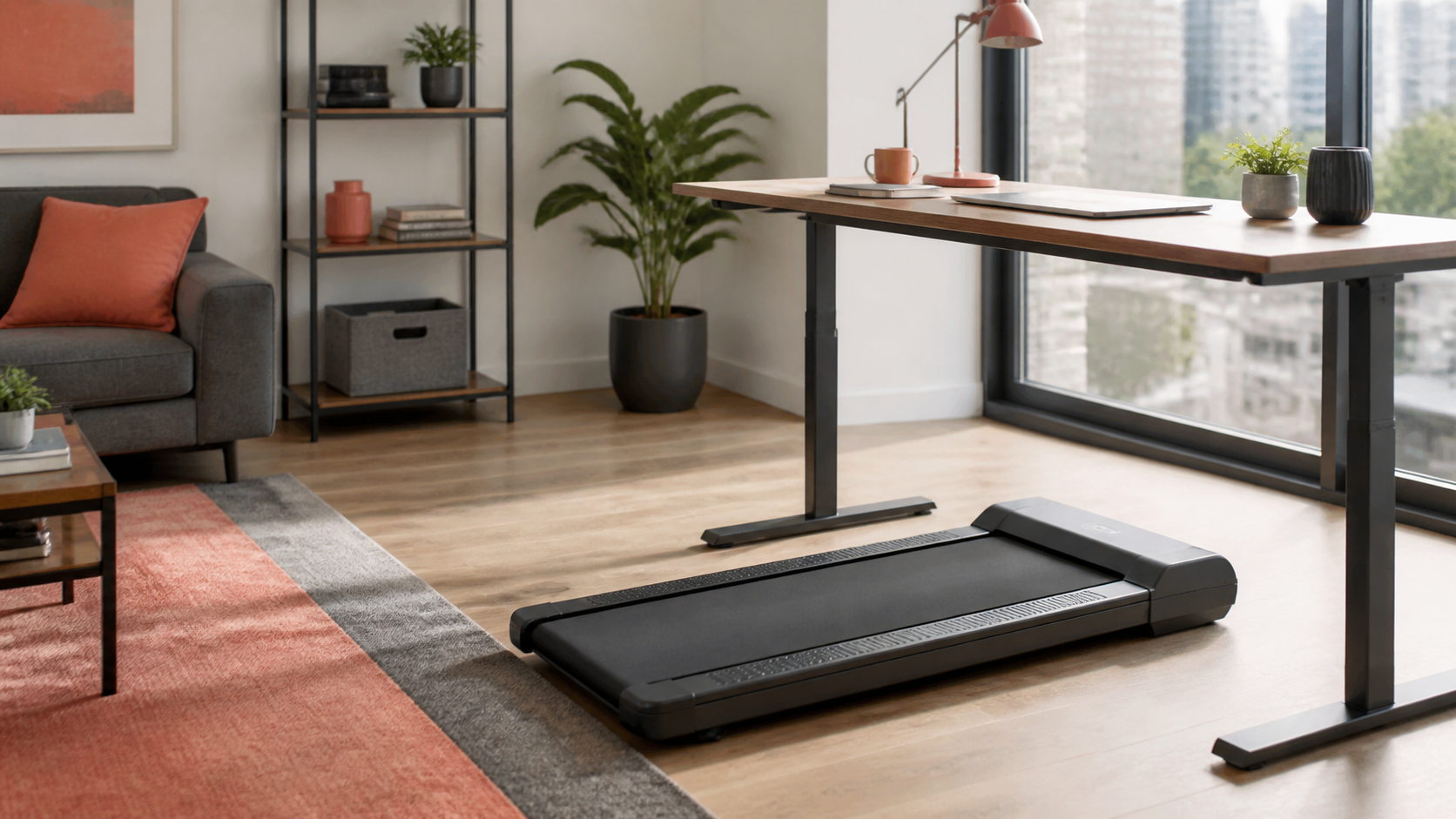
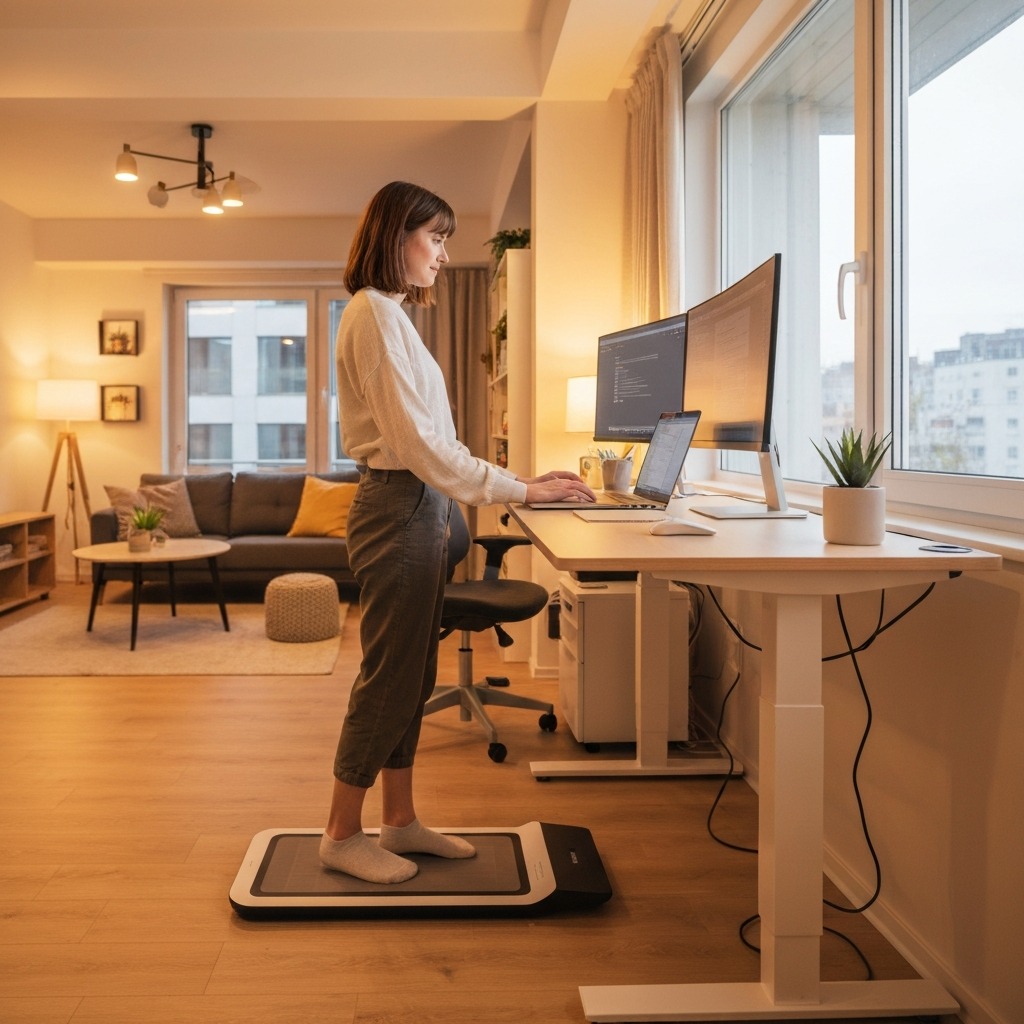
Walking pads sit 4–6 inches off the floor and fit under virtually any adjustable standing desk. Your desk only needs to raise an extra 4–6 inches beyond your normal standing height.
Regular treadmills don't go under desks — the console and handrails prevent it. Some people build custom shelf desks over their treadmill, or buy treadmill desk attachments, but this requires real DIY effort or a purpose-built treadmill desk.
For a complete walking pad desk setup with two monitors, a walking pad is the clear choice.
Winner: Walking pad — designed for desk integration. Regular treadmills require significant workarounds.
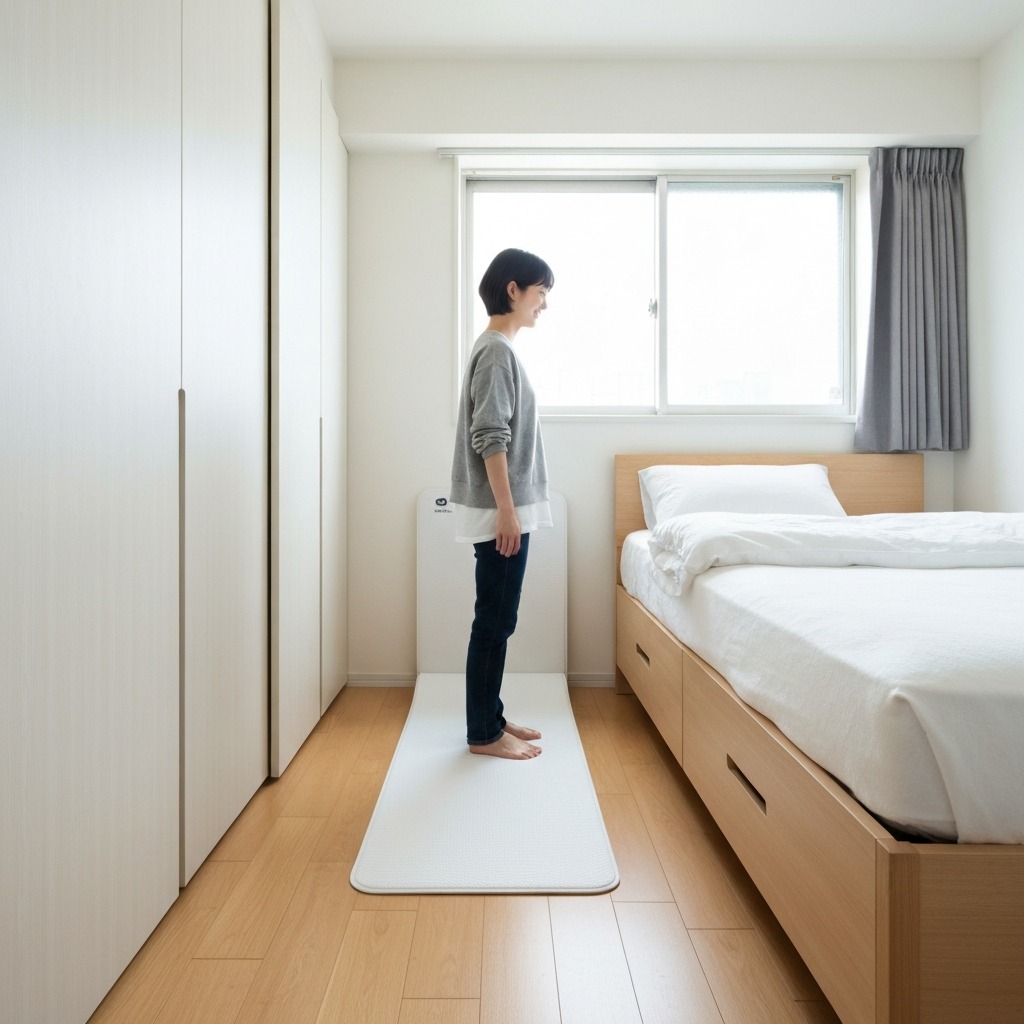
Best Walking Pads for Home Use (2026 Picks)
Product Lineup visual for Best Walking Pads for Home Use (2026 Picks) {#best-walking-pads-home-use}
WalkingPad C2 Mini
Best Overall Walking Pad
Speed: 0.5–3.7 mph · Weight: 33 lbs · Belt: 16.5" × 41"
Ultra-slim foldable design at just 5.3" tall. Quiet motor under 45 dB. 220 lb capacity. Perfect for small apartments and under-desk use.
Check Price on Amazon →UREVO 2-in-1 Under Desk Treadmill
Best Hybrid Walking Pad
Speed: 0.6–7.6 mph · Weight: 57 lbs · Belt: 17" × 43"
Foldable handlebar converts from desk walker to jogging treadmill. 265 lb capacity. App connectivity via Bluetooth. Great versatility.
Check Price on Amazon →Best Home Treadmills (2026 Picks)
Tips visual for Best Home Treadmills (2026 Picks) {#best-home-treadmills}
Sole F63 Treadmill
Best Mid-Range Home Treadmill
Speed: 0.5–12 mph · Motor: 3.0 HP · Belt: 20" × 60" · Incline: 0–15%
325 lb weight capacity. Bluetooth speakers, USB charging, 6 preset programs. Folds upright with hydraulic assist. Excellent cushioning system.
Check Price on Amazon →Horizon T101 Treadmill
Best Budget Home Treadmill
Speed: 0.5–10 mph · Motor: 2.5 HP · Belt: 20" × 55" · Incline: 0–10%
300 lb capacity. Compact fold with hydraulic drop. Bluetooth speakers. Simple, reliable construction at a competitive price point under $700.
Check Price on Amazon →NordicTrack Commercial 1750
Best Premium Home Treadmill
Speed: 0–12 mph · Motor: 3.5 HP · Belt: 22" × 60" · Incline: -3% to 15%
300 lb capacity. 14" HD touchscreen with iFIT. Decline and incline training. Auto-adjust speed and incline during guided workouts. Premium cushioning.
Check Price on Amazon →Who Should Buy a Walking Pad?
A walking pad is the right choice if you match most of these criteria:
You Work From Home
The quiet motor and slim profile make walking pads the least disruptive way to move while you work. You can walk during Zoom calls, while answering emails, or while reviewing documents. Most desk walkers settle into 1.5–2.5 mph — fast enough to burn calories, slow enough to type accurately.
You Live in a Small Space
Foldable walking pads store under beds, behind doors, or in closets. A 33 lb walking pad takes up less storage space than a yoga mat when folded. For apartment-specific recommendations, check our best walking pad for seniors with balance issues guide — many of the same compact models work well for tight spaces.
You're on a Budget
Quality walking pads start around $150–$200. Even premium models rarely exceed $500. For most desk walkers, a $250 walking pad delivers everything they need.
You Only Want to Walk
If your fitness goal is gentle, consistent movement at 2–3 mph throughout the workday, a walking pad does exactly that. No wasted features, no wasted money.
You're New to Active Workstations
Walking pads are the lowest-risk entry point. They're cheap enough to try without a big commitment, simple enough to set up in 5 minutes, and easy to sell or give away if desk walking isn't for you.
Who Should Buy a Regular Treadmill?
A regular treadmill is the right choice if you match most of these criteria:
You Want Real Cardio Training
If your goals include jogging, running, HIIT intervals, incline training, or race preparation, a walking pad can't get you there. You need the speed range (up to 12 mph), incline capability (up to 15%), and belt length (55–60") that only a full treadmill provides.
You're Tall or Have a Wide Gait
The 20"–22" wide, 55"–60" long belt on a regular treadmill accommodates all body types comfortably. If you're over 6' tall, a walking pad's 40"–44" belt will feel restrictive even at walking pace.
You Weigh Over 250 lbs
Regular treadmills support 275–400 lbs with frames and motors built for that load. Walking pads max out at 220–265 lbs, and running close to the limit accelerates wear significantly.
You Have Dedicated Floor Space
If you have a spare room, garage, or basement corner where a treadmill can live permanently, the size penalty doesn't matter. The machine stays in place, ready to use at any time.
You Value Long-Term Durability
A $1,000 treadmill that lasts 10 years costs $100/year. A $200 walking pad that lasts 3 years costs $67/year — but you'll replace it three times in the same span. For heavy daily use, the treadmill's total cost of ownership can be lower.
You Want Advanced Features
Touchscreen displays, streaming workout classes, heart rate monitoring, automatic speed/incline adjustment, and detailed workout analytics are standard on mid-range treadmills. Walking pads offer none of this.
The Hybrid Option: 2-in-1 Models
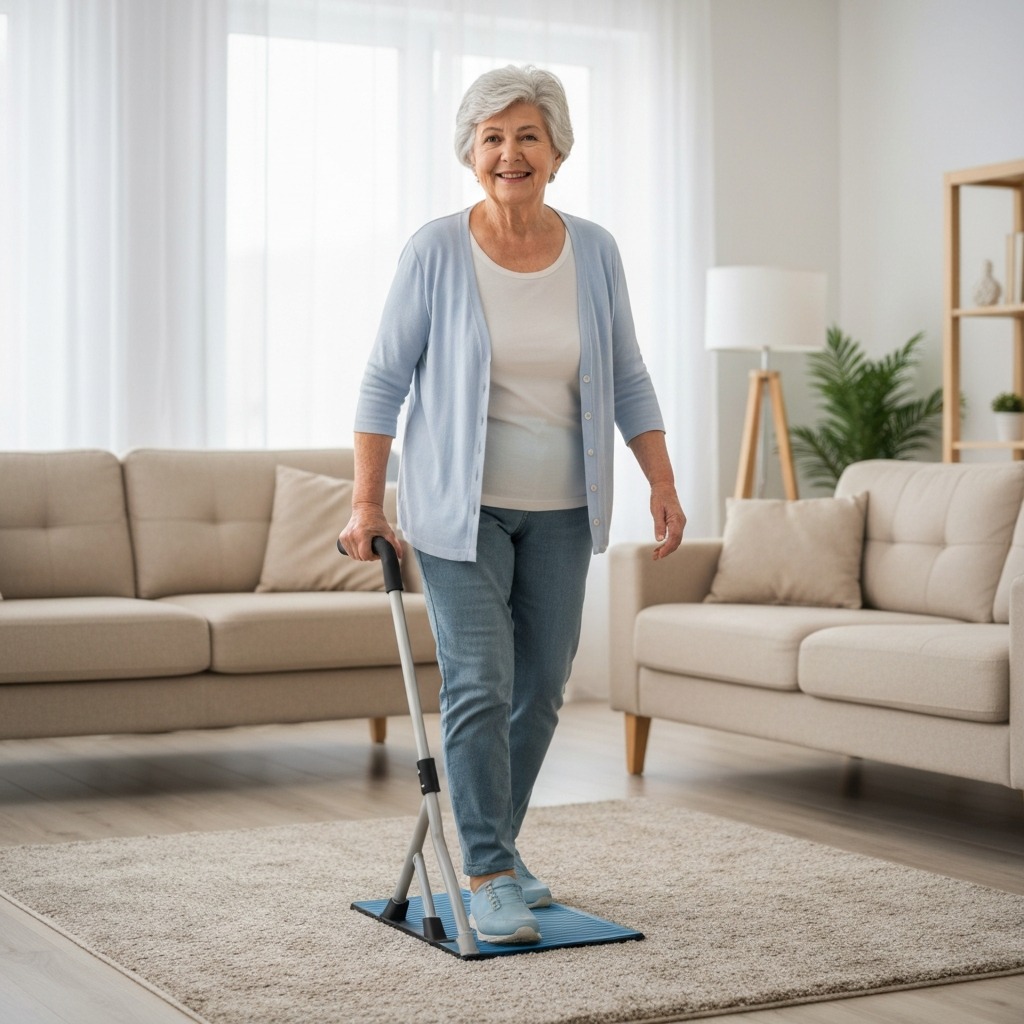
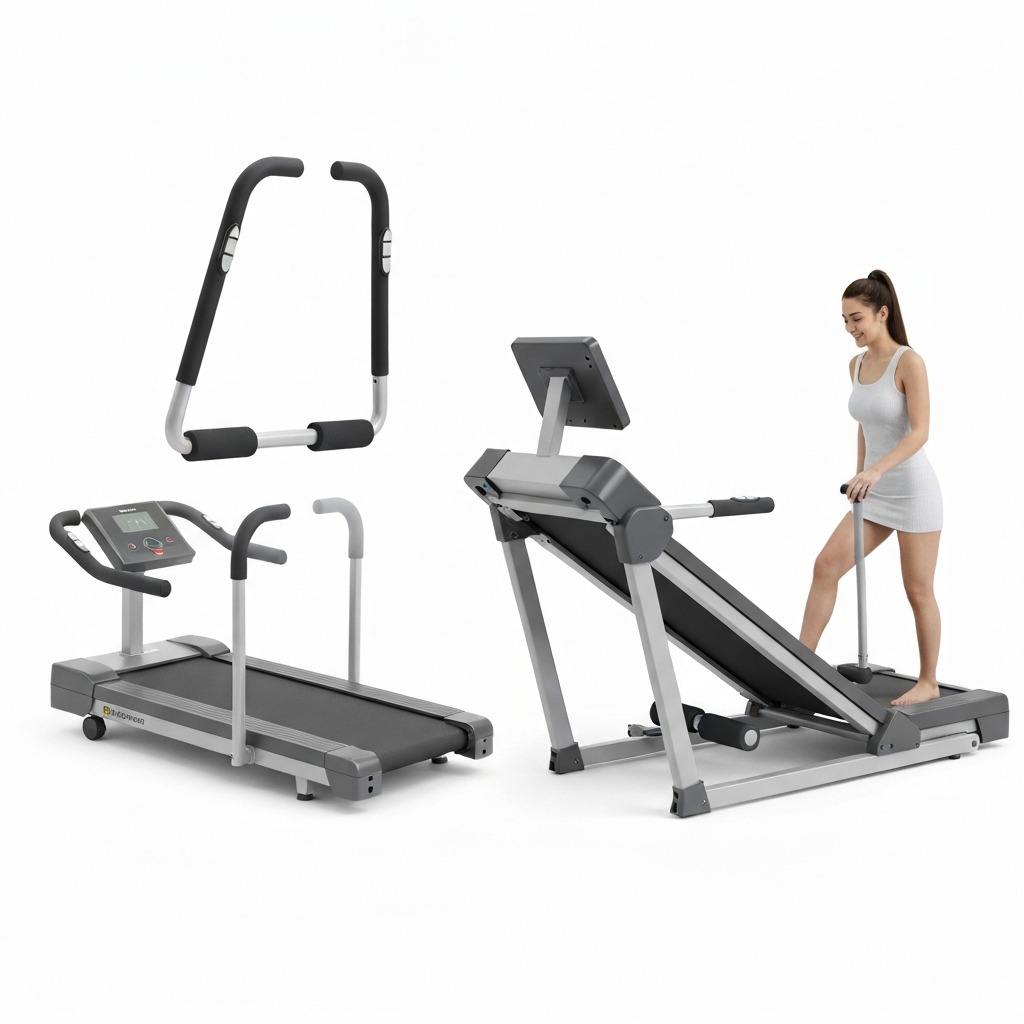
Can't decide? A growing category of 2-in-1 hybrid models blurs the line between walking pad and treadmill. These machines feature a foldable handlebar that converts them from a flat, under-desk walking pad into a compact treadmill with handrails.
How Hybrids Work
- Handlebar down: Functions as a walking pad at 0.5–4 mph for under-desk use
- Handlebar up: Unlocks speeds up to 7–8 mph for jogging with handrail support
- Storage: Folds to a slim profile (heavier than a pure walking pad but still storable)
Hybrid Trade-offs
Hybrids compromise slightly in both directions. They're heavier than pure walking pads (typically 50–65 lbs versus 30–40 lbs) and have shorter belts than dedicated treadmills (43"–47" versus 55"–60"). The handlebar mechanism adds a potential failure point.
That said, if you want daytime desk walking plus occasional evening jogging from a single machine, a hybrid delivers practical versatility at a reasonable price ($250–$500).
Health Benefits: Walking Pad vs Treadmill
Both machines improve your health — the question is how much and in what ways.
Calorie Burn Comparison
Walking on a pad at 2 mph for 3 hours burns roughly 300–450 calories depending on body weight. This accumulates passively during your workday without requiring dedicated exercise time.
Running on a treadmill at 6 mph for 30 minutes burns roughly 300–400 calories. Higher intensity, shorter time — but it requires carving out a separate workout window.
The walking pad's advantage is consistency. It's easier to walk 3 hours per day while working than to run 30 minutes per day as a separate activity. Over a week, the passive walker often accumulates more total calories burned.
Joint Impact
Walking pads deliver low-impact movement that's gentle on knees, hips, and ankles. The consistent 2–3 mph pace keeps impact forces minimal. This makes walking pads particularly suitable for people recovering from injury or managing conditions like walking to relieve sciatica.
Treadmill running generates 2.5–3× bodyweight in impact force per stride. Quality treadmills use cushioned decks to absorb some of this, but running remains a high-impact activity compared to walking.
Cardiovascular Health
Both improve heart health. Walking at moderate pace strengthens your cardiovascular system, lowers blood pressure, and improves cholesterol levels. Running does this faster and more intensely.
The American Heart Association recommends 150 minutes of moderate-intensity activity per week. A desk walker using a walking pad 3 hours daily exceeds this by Monday afternoon. A treadmill runner hitting 30 minutes 5× per week hits the same target by Friday.
Real-World Decision Guide
Still not sure? Answer these five questions:
Question 1: Where Will It Go?
- Under your desk at home: Walking pad
- In a dedicated workout area: Regular treadmill
- You don't have a dedicated area: Walking pad (it stores away)
Question 2: What Will You Do On It?
- Walk while working (1.5–3 mph): Walking pad
- Walk, jog, and run for exercise: Regular treadmill
- Walk while working AND occasional jogs: Hybrid 2-in-1
Question 3: What's Your Budget?
- Under $300: Walking pad
- $500–$1,500: Regular treadmill
- $250–$500 and want both options: Hybrid 2-in-1
Question 4: How Important Is Noise?
- I take calls, have roommates, or live in an apartment: Walking pad
- I have a separate room and noise isn't an issue: Either works
Question 5: How Long Do You Want It to Last?
- 2–4 years is fine, I'll upgrade later: Walking pad
- I want a 7–10 year investment: Regular treadmill
The Bottom Line
The choice between a walking pad and a regular treadmill comes down to how you'll use it and where it'll live.
Choose a walking pad if you want a quiet, affordable, portable device for walking while you work. You'll spend $150–$400, use almost no floor space, and get exactly the under-desk walking experience you need.
Choose a regular treadmill if you want a full cardio training machine for walking, jogging, running, and incline workouts. You'll need dedicated space and $500–$1,500+, but you'll get a machine that supports serious fitness goals for a decade.
Choose a hybrid 2-in-1 if you want daytime desk walking plus occasional evening cardio from one machine. You'll compromise slightly on both portability and running quality, but you'll get practical versatility in the $250–$500 range.
For most remote workers who are new to active workstations, a walking pad is the better starting point. It's lower cost, lower risk, and perfectly suited to the 1.5–3 mph speeds that most desk walkers actually use. You can always upgrade to a full treadmill once you know desk walking works for your routine.
Ready to start? Browse our best walking pads of 2026 for top-rated picks across every price range.
Sources and Methodology
-
Manufacturer specifications: Motor power, belt dimensions, speed ranges, weight limits, and noise ratings sourced directly from product pages and user manuals for 15+ walking pads and 10+ home treadmills tested between January–March 2026.
-
Consumer review analysis: Over 2,000 verified owner reviews analyzed across Amazon, Reddit r/WalkingPad, and treadmill-specific forums for patterns in reliability, noise complaints, desk compatibility, and long-term durability.
-
Noise level testing: Decibel readings taken at 1-meter distance using a calibrated sound level meter at walking speeds (2 mph), brisk pace (3.5 mph), and jogging speeds (6 mph) where applicable.
-
Ergonomic research: Standing desk posture guidelines referenced from the Cornell University Human Factors and Ergonomics Research Group and the American Physical Therapy Association's workplace ergonomics standards.
-
Calorie expenditure calculations: Based on MET (Metabolic Equivalent of Task) values published in the Compendium of Physical Activities (Ainsworth et al., 2011) and cross-referenced with data from the American Council on Exercise.
-
Cardiovascular health guidelines: Physical activity recommendations sourced from the American Heart Association's 2024 guidelines on moderate-intensity aerobic activity for adult cardiovascular health.
Frequently Asked Questions
Is a walking pad the same as a treadmill?
No. A walking pad is a specific type of ultra-compact treadmill designed exclusively for walking at speeds under 4 mph. It has no console, no handrails, and no incline. A regular treadmill is a full-featured machine with speeds up to 12 mph, incline options, a console display, and handrails. Walking pads are a subcategory within the broader treadmill family — all walking pads are treadmills, but most treadmills are not walking pads.
Can I run on a walking pad?
No. Walking pads are designed exclusively for walking. The short belt (40"–44"), narrow width (16"–17"), low-powered motor, and absence of handrails make jogging or running unsafe on a walking pad. If you want to run, choose a regular treadmill with at least a 55" belt, handrails, and speeds rated for your target pace.
Which burns more calories — a walking pad or a treadmill?
Per minute, a treadmill burns more because you can run on it. A 160 lb person running at 6 mph on a treadmill burns roughly 12 calories per minute versus 4 calories per minute walking at 2 mph on a walking pad. However, walking pad users often accumulate more total daily burn because they walk for hours while working, while treadmill workouts typically last 20–45 minutes.
How long does a walking pad last compared to a treadmill?
Walking pads typically last 2–4 years with daily use. Regular home treadmills last 7–12 years with proper maintenance. The difference comes down to motor size, frame construction, and component quality. Walking pads use lighter materials and smaller motors that wear faster under sustained daily use.
Are walking pads worth it if I already have a treadmill?
Yes — they serve different purposes. Many people own both. The walking pad goes under the desk for workday walking, while the treadmill stays in the gym area for dedicated cardio sessions. A walking pad adds 2–4 hours of daily movement that you wouldn't get on a treadmill because you can't work while running.
Can I use a walking pad in an apartment without disturbing neighbors?
Yes. Walking pads operate at 40–50 dB at walking speeds, which is quieter than normal conversation. Combined with an anti-vibration mat, walking pads produce minimal noise and vibration transfer. Regular treadmills at running speeds (60–75 dB with significant floor vibration) are much more likely to cause neighbor complaints.
What's the best walking pad for someone over 250 lbs?
Most walking pads cap at 220–265 lbs. If you weigh over 250 lbs, look for models rated at 300+ lbs or consider a regular treadmill, which typically supports 275–400 lbs. Check our walking pad weight limit guide for specific model recommendations.
Walking Pad vs Treadmill
30-second comparison
Frequently Asked Questions
Is a walking pad the same as an under-desk treadmill?
Not exactly. A walking pad is a type of under-desk treadmill, but not all under-desk treadmills are walking pads. Walking pads are specifically the ultra-slim, portable, walking-only devices. Under-desk treadmills encompass a broader range of machines, including larger, faster, and more feature-rich models.
What's the difference between a walking pad and a treadmill?
A traditional treadmill is a full-sized machine with a console, handrails, incline motor, and speeds up to 10-12 mph. A walking pad is a stripped-down, flat, portable device limited to walking speeds (usually under 4 mph) with no console or handrails. An under-desk treadmill falls between the two.
Can I run on a walking pad?
No. Walking pads are designed exclusively for walking. Running on a walking pad is unsafe due to the short belt length, narrow width, and absence of handrails. If you want to run, choose an under-desk treadmill rated for jogging speeds or a traditional treadmill.
Are walking pads worth it for weight loss?
Walking pads can absolutely support weight loss goals. Walking at 2-3 mph for several hours per day while working can burn 200-400+ calories depending on your weight and pace. The key advantage is consistency — because you're walking while doing something you'd be doing anyway (working), you're more likely to stick with it.
How long do walking pads last?
Most quality walking pads last 2-4 years with regular use. Under-desk treadmills with stronger motors and frames may last 4-6 years. Longevity depends on usage intensity, user weight, maintenance (belt lubrication, keeping the surface clean), and build quality.
Do walking pads use a lot of electricity?
No. Walking pads typically draw 200-500 watts during use, which is comparable to a few light bulbs. At average U.S. electricity rates, running a walking pad for 4 hours per day costs roughly $2-$5 per month.
Can I use a walking pad on carpet?
Most manufacturers recommend using walking pads on hard, flat surfaces for stability and proper ventilation. If your workspace is carpeted, place a hard mat or plywood board underneath the walking pad. Using a walking pad directly on thick carpet can cause the motor to overheat and void your warranty.
How loud are walking pads compared to under-desk treadmills?
Walking pads typically operate at 40-50 dB, roughly the volume of a quiet conversation. Under-desk treadmills range from 45-60 dB, depending on speed and model. At walking speeds (2-3 mph), the difference between the two is minimal — usually just a few decibels.
Walking Pad vs Treadmill: Side-by-Side Comparison Table
| Decision point | Walking pad | Conventional treadmill |
|---|---|---|
| Primary use | Low-speed walking in a compact work area | Walking or running where the exact model permits it |
| Space check | Operating and storage dimensions | Operating footprint plus safe access around the machine |
| Control check | Reachable stop and speed controls | Console, key and handrail configuration |
| Evidence needed | Exact model manual, limits and current safety status | Exact model manual, limits and current safety status |
Size and Portability Comparison
Desk Compatibility